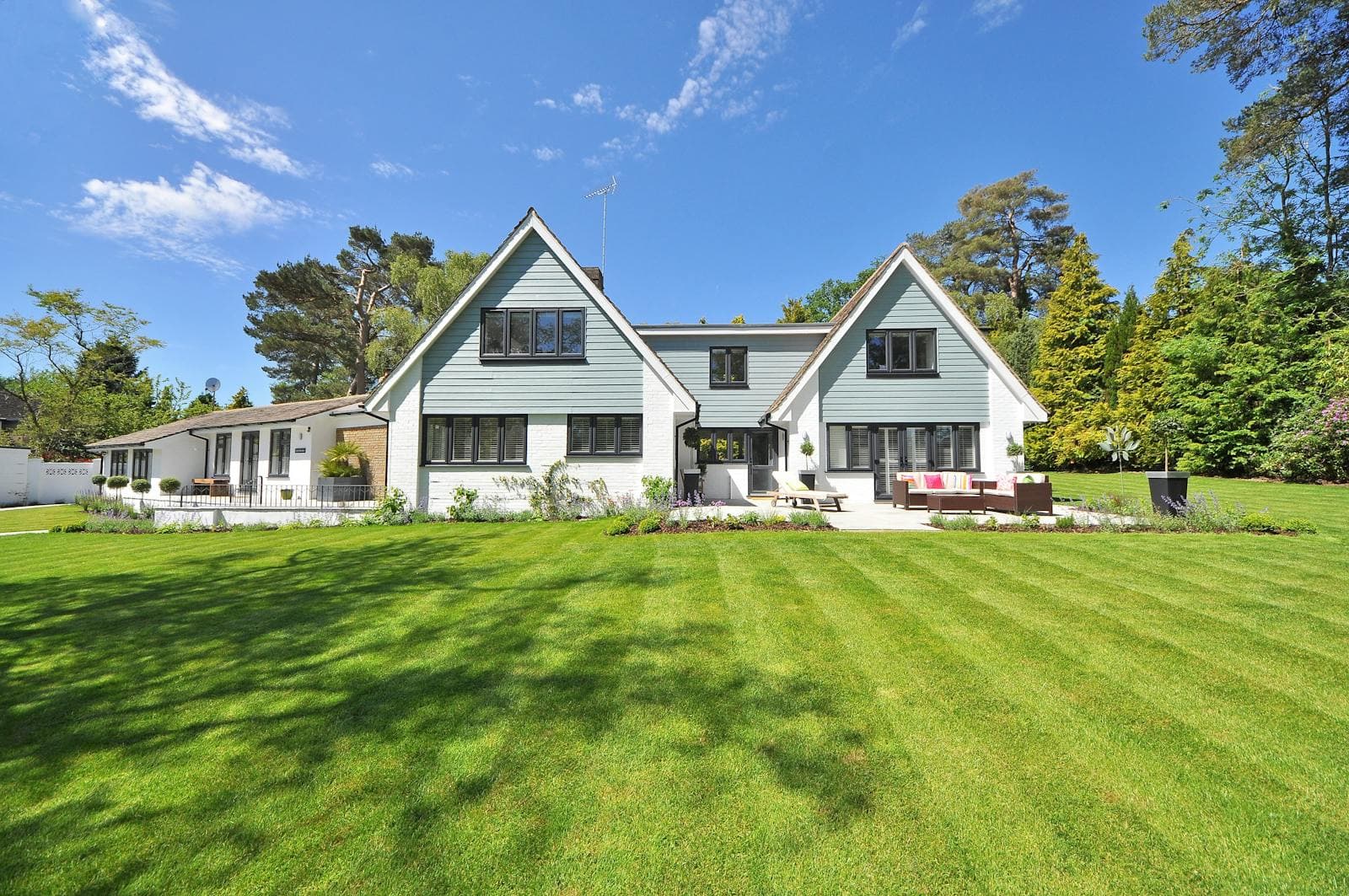
A 12-month home maintenance calendar for Sacramento works because the Central Valley does not run on a generic seasonal schedule. Sacramento homes face three specific pressure windows -- the rainy season from November through March, the heat dome from June through August, and the wildfire smoke season from August through October -- and the right calendar lines up every gutter, paint, HVAC, and handyman task to land before the next pressure window arrives, not after.
Sacramento averages 18 to 20 inches of annual rain, more than 90 percent of which falls between October and April per NOAA Sacramento Executive Airport climate normals. Summer afternoons routinely exceed 95 F for 50 to 70 days each year, and PG&E peak summer rates (4 to 9 p.m. weekdays, June through September) push electric bills past $400 a month for unprepared homes. On top of that, Cal Fire and the Sacramento Metro Air Quality Management District record an average of 25 to 45 days per year of unhealthy air from regional wildfire smoke, concentrated in late summer and early fall.
Every task in this 12-month calendar is timed to one of those three pressure windows. The result is a Sacramento home maintenance calendar that costs $1,800 to $3,800 a year for a 2,000-square-foot home -- and prevents the $8,000 to $25,000 deferred-maintenance failures that hit homes running on autopilot. This pillar guide walks through the full month-by-month playbook, the budget breakdown, the contractor scheduling windows, and how to bundle visits to save 15 to 25 percent.
The 12-Month Sacramento Maintenance Calendar at a Glance
Before diving into each month, here is the full year mapped against Sacramento's climate calendar. Use this as a one-page overview; each month gets its own deep section below.
Year-at-a-glance task timing keyed to Sacramento's rainy, heat, and smoke seasons.
January: Mid-Winter Gutter Reset and Interior Punch List
January in Sacramento brings the heart of atmospheric river season. NOAA records show January and February account for roughly 40 percent of annual rainfall on average, with peak AR frequency in those two months. Most of the high-leverage outdoor work was finished in October, so January focuses on storm response, mid-winter reset, and indoor projects.
Outdoor Tasks (Weather Permitting)
- Mid-season gutter cleaning if heavy leaf or pod fall has resumed (especially homes with liquidambar or modesto ash)
- Walk the property after each major storm; photograph any new water staining or pooling
- Inspect roof for missing or shifted shingles after wind events
- Check downspout discharge points; confirm water still exits 6 feet from the foundation
- Clear storm-blown debris from window wells, crawl space vents, and area drains
Indoor Tasks
- Replace HVAC filter (smoke season residue should still be visible)
- Test smoke and CO detectors; replace 9-volt batteries if not already on 10-year sealed units
- Inspect ceilings and wall tops in every room for new water stains
- Schedule any interior painting projects (January and February are the slowest contractor months and best pricing window)
- Run garbage disposal flush and pour a quart of hot water down rarely-used drains
For the post-storm walkthrough framework, the atmospheric river storm prep guide details the exact 24-72 hour damage inventory most homeowners skip.
February: Storm Damage Audit and Spring Planning
February is shoulder month between the AR peak and spring contractor demand. Use it to audit, plan, and book.
- Schedule spring exterior projects now; April and May contractor calendars fill by mid-March
- Walk the exterior on a dry day; flag any new stucco cracks, fascia damage, paint failure, or fence movement
- Inspect interior caulking in kitchens, baths, and laundry rooms; re-caulk if separating
- Run a moisture check in the crawl space (raised foundations) or along basement/sub-level walls
- Review the December and January PG&E bills against the prior year; flag anomalies that suggest insulation or HVAC issues
- Test sump pump (if installed) by pouring 5 gallons of water into the pit
- Replace HVAC filter
- Schedule April HVAC tune-up before the technician backlog builds
Pro Tip
Book your spring HVAC tune-up in February for an April or early May appointment. Sacramento HVAC contractors hit capacity around April 15 each year as the first 90 F afternoons drive emergency calls; pre-booked maintenance customers get priority scheduling.
March: Spring Kickoff and Drainage Final Look
March in Sacramento averages 2 to 3 inches of rain per NOAA normals -- the tail of AR season. By month-end, the dry window is opening. This is when the spring outdoor schedule starts.
Late Rainy Season Tasks
- Final gutter cleaning of the rainy season; clear any residual debris
- Walk the yard during the last big rain and confirm drainage; if standing water lingers more than 24 hours, schedule a French drain consultation now (April and May are the install windows)
- Inspect exterior paint on south and west elevations; UV exposure starts increasing rapidly
- Replace HVAC filter
Spring Prep Tasks
- Start irrigation system; check every zone for broken heads, leaks, or coverage gaps
- Schedule spring deep-clean: pressure washing, window cleaning, exterior touch-up paint
- Trim shrubs and low tree limbs that grew during winter; clear at least 18 inches around the foundation
- Re-mulch beds against the foundation (helps moderate soil moisture against expansive clay)
The spring home maintenance checklist for Sacramento covers the full April-and-May trade sequence in detail. If standing water concerns surfaced over winter, the French drain cost guide covers solutions for Sacramento clay.
April: HVAC Tune-Up and Spring Trade Window Opens
April is the single most productive month on the Sacramento maintenance calendar. The rainy season is essentially done, daytime highs hold in the 70s and low 80s, and contractor crews are still mid-spring availability. This is the month to spend.
HVAC Spring Service
SMUD and PG&E both recommend AC tune-ups before the first 95 F afternoon. A typical Sacramento spring HVAC tune-up runs $95 to $185 and covers refrigerant level check, condenser coil cleaning, electrical contactor inspection, capacitor load test, blower motor check, and condensate drain clearing. Skipping this service is the leading cause of $1,400-to-$3,500 emergency repair calls in July.
Other April Priorities
- Schedule exterior painting if needed; April and May are the prime cure-window months
- Pressure-wash siding, trim, decks, fences, and concrete (washes off winter mildew before spring temperatures encourage growth)
- Window cleaning interior and exterior (post-AR-season grime peaks in March)
- Inspect roof during dry weather; book any flashing, vent boot, or tile replacement work
- Re-stain or seal decks and wood fences (window: April through early June for proper cure)
- Replace HVAC filter; if entering smoke season later, upgrade from MERV 8 to MERV 11 minimum
- Pull permits for any planned summer remodels (city of Sacramento permit lead times average 4 to 8 weeks)
For permit timelines on Sacramento remodels, see the Sacramento building permits guide. For exterior painting climate windows, see the Sacramento exterior painting climate guide.
May: Exterior Refresh and Heat-Prep Sprint
May is the last full month before the heat. By the end of May, Sacramento is averaging four to six 90 F days, and by the second week of June the first 100 F afternoon usually lands. Use May to finish exterior work and get the home heat-ready.
- Complete any exterior painting projects (wrap before late June heat)
- Service ceiling fans, attic fans, and whole-house fans; clean blades and lubricate any oil-port motors
- Inspect attic insulation; R-38 is the current Title 24 minimum for new ceiling insulation in Climate Zone 12 (Sacramento), and most homes built before 2005 fall short
- Test all exterior outlets, especially shaded GFCI runs that may have weather-failed
- Run irrigation system; adjust schedules for May-through-October peak demand
- Inspect window weatherstripping and door seals; replace any failed sections before the heat reveals the gap
- Test pool equipment if applicable (pumps, filters, heaters)
- Replace HVAC filter; consider upgrading to MERV 11 if not already
- Schedule August or September SMUD home energy audit if planning insulation, window, or HVAC upgrades (rebates often require pre-audit)
For pre-summer prep specifically, the prepare Sacramento home for summer heat guide walks through the full envelope-and-equipment readiness sequence. SMUD energy upgrade rebates and prioritization are detailed in the Sacramento energy efficiency upgrades guide.
June: Heat Dome Begins -- Switch to Defensive Mode
June is the threshold month. Sacramento averages 12 to 18 days at or above 95 F in June, and PG&E peak rates kick in for the summer (4 to 9 p.m. weekdays, June 1 through September 30). The maintenance focus shifts from major projects to operational discipline.
Energy and HVAC
- Set thermostat schedule for peak-rate avoidance: pre-cool to 72-74 F before 4 p.m., let drift to 78-80 F during peak hours
- Replace HVAC filter monthly starting now
- Clean condenser coils with a garden hose (with the unit OFF at the disconnect) if dust or cottonwood fluff accumulated
- Verify the condensate drain line is flowing; clogs in June cause ceiling stains by July
- Close blinds and curtains on south- and west-facing windows during peak hours
Outdoor and Operational
- Adjust irrigation start times to before 6 a.m. or after 8 p.m. to reduce evaporative loss
- Inspect exterior paint surface temps midday on south and west walls; if you can't hold your hand there for 5 seconds, paint is taking stress and any deferred touch-up should wait until September
- Verify outdoor hose bibs and pool fill valves don't leak (heat amplifies seal failures)
- Check refrigerator and freezer door seals; failed gaskets cost an extra $15 to $40 per month in summer
- Inspect garage seal and weatherstripping; an un-cooled garage can run 15 to 25 F above outdoor temps
July: Mid-Summer Hold and Wildfire Watch
July is Sacramento's hottest month, averaging 30+ days at or above 90 F and 8 to 14 days at or above 100 F. Peak-rate management dominates. By mid-July, watch the Cal Fire and AQMD smoke maps -- regional fires can shift the maintenance schedule overnight.
- Replace HVAC filter (monthly during summer)
- Check ceiling fan rotation: counterclockwise pushes air down for cooling effect
- Verify attic vents are clear; restricted attic ventilation drives roof and second-floor temps 20 F higher
- Inspect water heater for leaks (heat-driven expansion is when small leaks become visible)
- Photograph any new exterior cracks; clay soil contraction during the dry summer creates new crack patterns
- Top off mulch beds; bare soil radiates heat back at the home
- Review PG&E bills weekly; sudden spikes signal HVAC efficiency loss
- Confirm emergency kit (water, flashlights, battery banks) for power outages and any potential fire evacuation
Wildfire Smoke Readiness Begins
Stock spare MERV 11 or MERV 13 filters; have at least three on hand by August 1. Confirm HVAC blower can handle higher-MERV filters (most residential systems can, but very old or oversized systems may need a thicker filter rack). Set up an indoor AQI sensor or bookmark the AQMD daily readings for the Sacramento region.
August: Smoke Season Tactical Mode
August in Sacramento layers wildfire smoke onto continued heat. The air quality dimension becomes the dominant maintenance variable. Cal Fire and AQMD data show August through mid-October account for the majority of unhealthy AQI days each year.
Air Quality Tasks
- Replace HVAC filter every 30 days during active smoke events (vs. 60 to 90 days normally); upgrade to MERV 11 minimum
- Run HVAC fan on circulate when AQI exceeds 100, even if cooling demand is low
- Close all windows during smoke events; verify weatherstripping is intact
- If you have a portable HEPA air cleaner, run it in bedrooms during smoke events
- Inspect attic for air leaks where smoke can enter the conditioned envelope
Other August Priorities
- Check sprinkler heads weekly; July and August see the highest broken-head rate
- Inspect roof for any post-summer issues during a cooler morning
- Watch for fascia or soffit gaps that wasps and rodents start exploiting in late summer
- Trim limbs within 10 feet of the roofline before AR season; fall contractor bookings fill in September
- Begin scheduling October gutter cleaning now
Pro Tip
After every prolonged smoke event, schedule a roof and gutter ash cleanup. Wet ash mixed with dew or sprinkler overspray turns into a mild lye solution that strips exterior paint and corrodes galvanized metal flashing. The damage often shows up in February as paint failure that traces back to August neglect.
September: Fall Trade Window Reopens
September is the second-best maintenance month after April. Smoke is starting to break, evening temperatures fall below 70 F, and exterior paint cure conditions return. AR season is still 6 to 10 weeks away. Use September to finish anything that didn't get done in May.
- Pressure-wash siding, decks, fences, and concrete (removes summer dust, smoke residue, and any wet-ash staining)
- Spot-paint or repaint any failed exterior areas; full repaints completed by end of October cure properly
- Re-stain decks and fences if not done in spring
- Service the chimney and gas fireplace before first use
- Inspect attic insulation depth; add to R-38 minimum if low
- Begin exterior caulking pass: windows, doors, trim, light fixtures, hose bibs, dryer vent
- Re-check weatherstripping on doors and windows
- Replace HVAC filter; downgrade from MERV 13 back to MERV 11 once smoke subsides if the system runs hard at higher filter rating
- Schedule fall HVAC heating tune-up for early October
October: AR Prep Crunch -- The Most Important Maintenance Month
October is non-negotiable. Every gutter, drainage, exterior sealing, and roof item must finish by October 31 if at all possible. November averages 1.5 to 3 inches of rain and the first AR can land any time after November 1. The October push is what separates the homes that ride out winter clean from the homes that file claims.
The October Critical Path
- Week 1: Fall HVAC heating tune-up; schedule before the first cold morning
- Week 2: Full gutter cleaning and downspout flush; install or repair downspout extensions to 6 feet from foundation
- Week 3: Drainage audit during a hose test or light early rain; install any French drains, area drains, or grading fixes
- Week 4: Exterior caulking pass, stucco patch, spot paint, roof flashing repairs, exterior photo baseline for insurance
October Budget Allocation
- Fall gutter cleaning (single-story): $150 to $350
- Fall gutter cleaning (two-story): $250 to $500
- Fall HVAC tune-up: $95 to $185
- Downspout extensions and minor grading: $75 to $500
- French drain install (typical scope): $2,500 to $6,500
- Exterior caulking, stucco patch, and spot paint: $350 to $1,400
- Roof flashing and vent boot repair: $250 to $900
- Tree limb trimming near roofline: $350 to $1,800
The full pre-AR sequence is detailed in the Sacramento fall home prep guide and the atmospheric river storm prep guide. For homeowners bundling multiple October tasks, the exterior home refresh cost guide shows how single-crew bundling typically cuts 15 to 25 percent off separate-trade pricing.
November: Storm Prep Final Lap and Winterization
November is the transition month: the AR window opens, but most weeks still have 2 to 4 dry days. Use them to finish what October didn't cover, then shift fully to defensive mode.
- Final gutter check after the first leaf-fall wave
- Photo-walk the exterior for an insurance baseline before the first AR (date-stamped phone camera, all four elevations, plus close-ups of any pre-existing damage)
- Pick up sandbags from Sacramento County free distribution sites if your property has any flood history
- Charge battery backups, portable power stations, and phone power banks
- Test sump pump if installed
- Winterize irrigation system: shut off backflow preventer, drain mainline, cap exposed valves
- Insulate exposed pipes and hose bibs (use foam covers; Sacramento sees 10 to 25 freeze nights per year)
- Disconnect garden hoses; freeze-stress on bibs is the leading source of December plumbing emergencies
- Replace HVAC filter
- Test smoke and CO detectors as part of daylight savings time change
- Service or test any standby generator
December: Holiday Mode and System Verification
December is the lowest-leverage outdoor maintenance month -- and that's the point. The work was front-loaded in October. December focuses on system verification, indoor projects, and storm response.
- Inspect attic and ceilings after each major rainfall for water intrusion
- Verify gutter and downspout drainage is still flowing freely after every storm
- Check the foundation perimeter and crawl space (raised foundations) for new water signs after each AR event
- Test holiday lighting circuits with GFCI outlets; replace any failed cords before plug-in
- Replace HVAC filter
- Run rarely-used hot water taps for 5 minutes monthly to circulate water through the heater
- Inspect interior caulking in kitchens, baths, and around tub-shower combos
- Schedule any January or February interior painting projects (low contractor demand window)
The Sacramento Annual Maintenance Budget Breakdown
Here is what a properly-maintained 2,000-square-foot Sacramento home actually costs to keep in shape across the calendar year. These ranges reflect 2026 Sacramento contractor pricing.
Operating Budget Total
- Low-end well-maintained 2,000 sf home: $1,815 per year
- High-end well-maintained 2,000 sf home: $7,610 per year
- Realistic Sacramento mid-range: $2,400 to $4,200 per year
Sinking Fund (Major Replacements)
On top of the operating budget, set aside monthly for major replacements that hit every 7 to 30 years:
- Full exterior repaint: every 7 to 10 years, $7,500 to $18,000 (set aside $80 to $200/month)
- Roof replacement: every 25 to 30 years, $14,000 to $35,000 (set aside $50 to $120/month)
- Gutter replacement: every 20 to 30 years, $1,800 to $4,500 (set aside $10 to $20/month)
- HVAC replacement: every 15 to 20 years, $7,000 to $16,000 (set aside $40 to $90/month)
- Water heater: every 10 to 12 years, $1,400 to $3,800 (set aside $15 to $30/month)
Total monthly sinking-fund target for a typical Sacramento home: $200 to $400. Combined with the operating budget, that puts annual home expense (excluding mortgage and tax) at $4,800 to $9,000.
Sacramento Climate Patterns That Drive the Calendar
Why this calendar works the way it does -- and why a generic national maintenance checklist misses by 30 to 60 days in either direction.
The Three Pressure Windows
- Rainy season (November through March): 90 percent of annual rainfall, dominated by 3 to 6 atmospheric river events. The Scripps CW3E AR scale rates these from Cat 1 (beneficial) to Cat 5 (hazardous), and Cat 3+ events drop 4 to 8 inches in 48 to 72 hours.
- Heat dome (June through August): 50 to 70 days at or above 90 F, with 8 to 14 days above 100 F. PG&E peak rates 4 to 9 p.m. weekdays push electric bills up 30 to 60 percent.
- Wildfire smoke season (August through October): 25 to 45 unhealthy AQI days per year on average, per Sacramento Metro AQMD. Smoke from Sierra Nevada, Coast Range, and Northern California fires settles into the Central Valley basin and persists for days at a time.
Neighborhood-Specific Calendar Adjustments
The base calendar applies across Sacramento County, but neighborhood characteristics shift the priority order.
East Sacramento, Land Park, Curtis Park
Older homes (often pre-1940), heavy mature canopy, and raised foundations. Add a third gutter cleaning in March, schedule drain line scoping every 3 to 5 years, and prioritize foundation moisture inspection during AR events. The historic Sacramento neighborhoods maintenance guide covers the pre-1940 housing stock in detail.
Roseville, Rocklin, Lincoln, Folsom
Newer construction on expansive-clay lots with slab-on-grade foundations. Prioritize yard drainage audits, downspout extensions to 6 feet minimum, and foundation perimeter grading. Less tree debris means October gutter cleaning may suffice; January cleaning often optional.
Carmichael, Fair Oaks, Citrus Heights, Orangevale
Mixed-age stucco homes on rolling lots with mature liquidambar and sycamore. Two-to-three gutter cleanings per year is standard. Stucco crack inspection moves up the priority list in fall.
Elk Grove, Galt, Wilton, Delta-Adjacent
Closer to Cosumnes River and Delta flood watch areas. Sandbag prep in November is non-negotiable in years with high snowpack forecasts, and sump pump readiness moves to a Tier 1 priority.
El Dorado Hills, Granite Bay, Cameron Park
Foothill elevation brings more wind, more pine and oak debris, and higher fire risk. Tree limb management and roof debris cleanup happen more frequently. Wildfire prep extends 2 to 3 weeks earlier (mid-July) and 2 to 3 weeks later (early November) than valley-floor neighborhoods.
Bundling Visits to Save Money
Most Sacramento maintenance failures trace back to homeowners hiring trade-by-trade rather than coordinating crews. Bundling complementary trades on a single dispatch typically cuts 15 to 25 percent versus separate visits.
The one-contractor-multiple-projects guide walks through the math and the trade-sequencing logic in detail, and the how to hire a Sacramento contractor guide covers vetting any multi-trade crew you bring in.
Annual Sacramento Maintenance Plan
ProFlow runs scheduled maintenance plans for Sacramento homeowners: spring tune-up, fall storm prep, and on-call handyman + gutter visits in between. One coordinated crew, sequenced trades, photo-documented visits.
See Maintenance PlansEnergy Use Patterns: How the Calendar Saves Money on Bills
The maintenance calendar is also an energy calendar. Sacramento home energy use is wildly seasonal, and well-timed maintenance keeps bills down. Here is the typical pattern.
July and August are the peak; a typical Sacramento home runs 1,200 to 1,600 kWh in those months versus 600 to 800 kWh in April and October. PG&E peak-rate hours (4 to 9 p.m. weekdays, June through September) compound the cost. SMUD customers pay flat-rate but face Time-of-Day pricing on EV and EnergyMatch plans. Maintenance moves that compress this curve -- attic insulation upgrades, exterior paint reflectance, weatherstripping, HVAC tune-ups, smart thermostats -- pay back in 2 to 6 years.
A Tale of Two Sacramento Calendars
The Scheduled Home
An Arden-Arcade homeowner runs the full 12-month calendar with a single multi-service contractor. Annual operating spend: $3,150. April HVAC tune-up, May pressure wash, October gutters and storm prep bundle, January mid-winter check. Five-year cost: $15,750 in operating maintenance, zero emergency repairs, exterior paint still cleared until year 8 repaint cycle. Total five-year spend including sinking-fund-financed exterior repaint in year 5: $26,500.
The Reactive Home
A Carmichael homeowner skips scheduled maintenance and reacts only to failures. Year 1: $0 spend. Year 2: $4,800 emergency HVAC compressor replacement (preventable with $185 spring tune-up). Year 3: $13,200 water damage from clogged gutters during a January AR (preventable with $275 fall cleaning). Year 4: $7,500 premature exterior repaint due to deferred caulking and pressure washing. Year 5: $22,000 mid-winter sewer line failure that was visible as backed-up drains the previous summer. Total five-year spend: $47,500 -- nearly double the scheduled home, and with no exterior repaint reserve.
Building Your Personal Sacramento Maintenance Calendar
The calendar in this guide is the framework. Here is how to adapt it to your specific home.
Step 1: Inventory Your Home
- Year built (informs roof, plumbing, electrical age)
- Square footage (drives operating budget scaling)
- Foundation type (raised vs. slab-on-grade)
- Tree species and density (drives gutter cleaning frequency)
- HVAC age and type (split-system, packaged, heat pump)
- Last exterior paint date
- Last roof replacement date
- Drainage history (any flooding, standing water, foundation moisture)
Step 2: Set Calendar Anchors
On a digital calendar (Google Calendar, Apple Calendar, Outlook), create recurring events:
- April 1: Spring HVAC tune-up week
- April 15: Pressure washing window opens
- May 15: Exterior paint deadline before heat
- June 1: PG&E peak-rate season starts -- thermostat schedule check
- August 1: Wildfire smoke filter stockpile check
- September 15: Fall paint window opens
- October 1: Fall HVAC tune-up week
- October 15: Gutter cleaning deadline
- October 31: AR storm prep deadline
- November 1: AR season starts -- exterior photo baseline
- December 1: Winter watch mode begins
- Monthly: HVAC filter replacement
Step 3: Set the Sinking Fund
Open a dedicated savings or sub-account labeled "home maintenance" and auto-transfer $200 to $400 monthly. This separates the operating budget (paid as work happens) from the major-replacement reserve (paid every 7 to 30 years).
Step 4: Pick Your Contractor Bench
Identify a primary multi-service contractor for bundled work (gutters, paint, handyman, light remodeling) and 2 to 3 specialty backups (HVAC, roofing, electrical). The vetting framework lives in the how to hire a Sacramento contractor guide.
What Sources to Track Month-Over-Month
These are the public data sources that drive the Sacramento maintenance calendar. Bookmark them.
NOAA National Weather Service Sacramento (weather.gov/sto)
Authoritative source for forecasts, watches, warnings, and Sacramento Executive Airport climate normals. Use the 7-day and 10-day outlooks to time AR prep, paint windows, and outdoor work.
Scripps CW3E (cw3e.ucsd.edu)
Atmospheric river forecasts and AR Category Scale ratings. The CW3E weekly summary shows incoming AR activity 7 to 14 days out -- enough lead time to compress prep tasks if a major event is approaching.
Sacramento Metro AQMD (airquality.org)
Daily AQI for the region; activates wildfire smoke maintenance protocols when AQI exceeds 100. Forecasts run 1 to 3 days out during fire events.
PG&E Outage Map (pge.com/outages)
Real-time outage status, useful both for storm response and for identifying chronic outage areas where battery backup investment pays off faster.
Cal Fire Incidents Dashboard (fire.ca.gov)
Active fire perimeters and containment status; combined with AQMD forecasts, this is the early-warning system for smoke season filter replacements and exterior cleanup timing.
Sacramento County Public Works (saccounty.gov)
Free sandbag locations during AR season, storm drain reports, and flood readiness resources. Locations update annually each October.
Common 12-Month Calendar Mistakes
The pattern failures that wreck even well-intentioned Sacramento maintenance calendars.
- Treating October as optional: Skipping October fall prep is the single most expensive mistake. AR damage from one missed gutter cleaning routinely runs $5,000 to $25,000.
- Booking spring HVAC in April: By April 15, most Sacramento HVAC contractors are booked into June. Book in February for a clean April appointment.
- Painting in July: South- and west-facing walls hit 130+ F surface temperature and acrylic latex flashes off before it cures. Wait for September.
- Ignoring smoke season: Failing to upgrade HVAC filters during wildfire smoke pushes ash into the coil and blower, cutting AC efficiency by 15 to 25 percent and shortening compressor life.
- Hiring trade-by-trade: Coordinating five separate visits in October instead of one bundled crew costs 15 to 25 percent more and creates trade-conflict damage (paint over uncaulked gaps, gutters cleaned before tree trim, etc.).
- Skipping the photo baseline: No dated pre-AR exterior photo set means insurance disputes default to the carrier's favor. Costs $0 to take, saves $1,000 to $10,000 on disputed claims.
- Underfunding the sinking fund: When a $14,000 roof or $18,000 exterior repaint is unfunded, homeowners delay until failure -- which costs 30 to 80 percent more than a planned, bid replacement.
How New Sacramento Homeowners Should Use This Calendar
For homeowners in their first 12 months of ownership, the calendar starts with a different on-ramp. The first 90 days set up systems -- HVAC servicing baseline, contractor bench, sinking fund, and any urgent inspection-flagged repairs -- before falling into the full annual rhythm. The new Sacramento homeowner checklist walks through the first 90 days in detail, and the Sacramento home maintenance checklist provides a complementary seasonal-task view that pairs with this 12-month calendar.
How Sellers Should Use This Calendar
For Sacramento homeowners planning to sell within 24 months, the calendar still applies, but priorities shift. Defer major exterior repaint cycles unless the existing paint will fail in MLS photos; prioritize handyman punch-list work, curb appeal items, and pre-listing inspection-driver fixes. The pre-listing prep timeline guide sequences the sale-specific 60-day schedule on top of the annual calendar.
Bottom Line
A 12-month home maintenance calendar in Sacramento is not a generic checklist. It is a climate-specific schedule built around three pressure windows -- November-through-March rain, June-through-August heat, and August-through-October wildfire smoke -- with every task timed to land in the dry, cool, and contractor-available windows in between.
Done right, the operating budget is $1,800 to $3,800 a year, the sinking fund covers the 7-to-30-year replacement cycles, and the home rides through every AR, every heat dome, and every smoke event without a single emergency call. Done wrong -- skipped October, deferred HVAC, ignored smoke filters -- the same home runs $30,000 to $60,000 of preventable repairs over five years.
Pick your calendar. Anchor April, October, and the monthly filter change. Bundle the trades. Fund the reserve. The Sacramento climate does the rest.
For the year-round seasonal companion view, see the Sacramento home maintenance checklist. For paint-specific timing, the Sacramento exterior painting climate guide; for water-system thinking, water damage prevention for Sacramento homes; and for full-service scheduling, the Sacramento handyman services and gutter cleaning services pages.