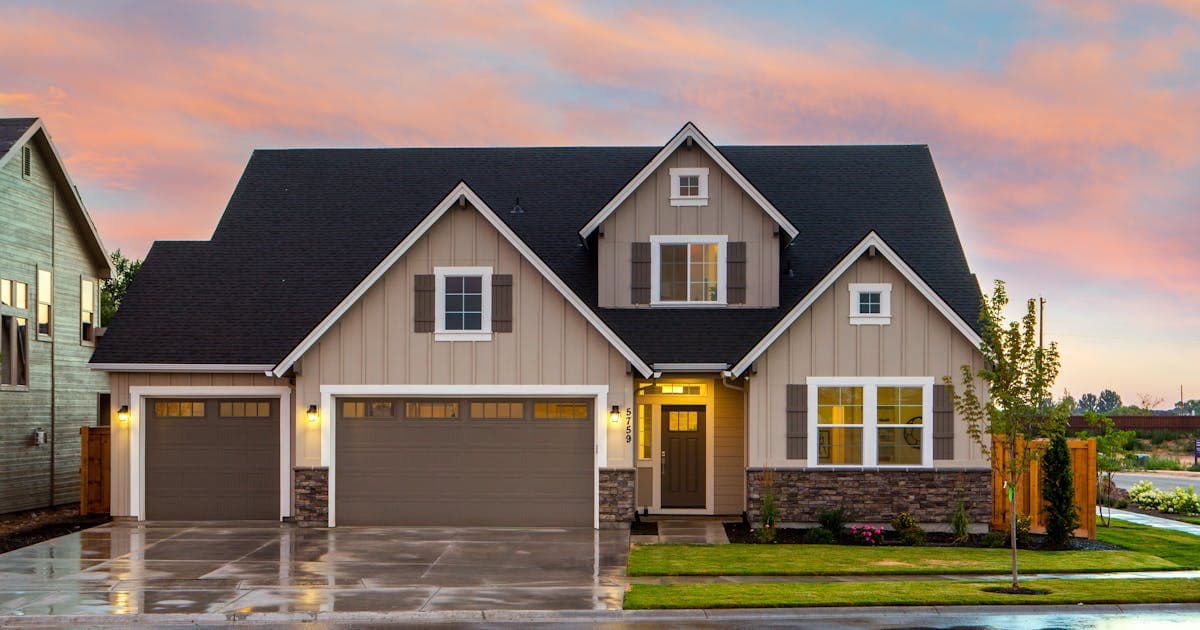
A new homeowner checklist for Sacramento should do one thing well: sequence the paint, handyman, gutter, drainage, and small-remodel work in the first 90 days so you spend less, finish faster, and avoid the cross-trade damage that wrecks unsequenced moves. Most Sacramento buyers close, take a long weekend off to paint a feature wall, then move furniture in -- and lose the cheapest 90 days of homeownership they will ever have. Done in the right order, the first 90 days locks the house in for the next decade. Done backwards, you pay for the same work twice.
Key Takeaways
- Total budget: $4,500 to $14,000 typical for first 90 days, depending on home age and inspection severity
- Highest leverage: Anything that touches walls, floors, or ceilings is 15 to 25 percent cheaper before furniture arrives
- Sacramento-specific risks: Clay-soil drainage, sun-side paint fade on south and west walls, tree-species debris in gutters, and 1970s-90s tract issues
- Right order: Safety walkthrough → moisture defense → interior paint → handyman punch list → small-remodel decisions
- Bundling savings: 12 to 25 percent when paint, gutters, drainage, and handyman are scoped together with one Sacramento contractor
- Permit reality: Most first-90-day work is permit-exempt; structural, electrical, plumbing, HVAC, and window replacements are not
Sacramento closings come with a thick stack of paper and an inspection report that nobody fully reads. The seller gave you a few credits, the agent handed over the keys, and now there is a house to figure out. Most new owners default to the same pattern: pick a paint color, paint one accent wall over the weekend, schlep furniture in, and react to whatever breaks first. That sequence costs money and time you do not get back.
The better play is to treat the first 90 days as a single coordinated project. Sacramento has specific climate and construction patterns -- clay soil that swells and shrinks, brutal sun on south and west exposures, atmospheric rivers that arrive between October and March, tree species that fill gutters in distinctive ways, and a heavy stock of 1970s through 1990s tract homes with predictable failure points. A new homeowner checklist tuned to those patterns sequences work in the order that protects the house, captures discounts, and prevents the cross-trade damage that plagues homes worked on piecemeal over the first year.
Why the First 90 Days Are the Most Valuable in Sacramento Homeownership
There are four windows in homeownership where leverage is unusually high: the first 90 days after closing, the month before a sale, a tenant turnover in a rental, and the immediate aftermath of a major weather event. Of those, the first 90 days are the most underused.
1. The House Is Empty (or Close to It)
Painters quote 15 to 25 percent less on empty rooms because every step gets faster. No furniture to mask, no art to wrap, no stuff to shuffle from one side of the room to the other. Floor work is the same -- LVP installs that require shuffling furniture run roughly 30 percent slower than installs into empty rooms. If you are moving in on a deadline, even a 7-to-10-day window before furniture arrives saves real money.
2. The Inspection Report Is Fresh
You bought the house on the strength of an inspection. The findings are still organized, photographed, and labeled with locations. Three months from now you will have lost the report somewhere in a filing system, forgotten which outlet was the open neutral, and stopped caring about the loose downspout strap. Working through the report in the first 60 days while it is still fresh is the only time you will have full inventory of what the previous owner left undone.
3. Warranties and Credits Are Live
Seller credits often have an expiration, home warranty coverage usually has a first-year ceiling for major systems, and any builder warranties on newer Sacramento construction are time-limited. The first 90 days is when you find what is broken and submit the claim, not nine months later when the warranty has lapsed.
4. The Seasonal Clock Is Ticking
Sacramento's calendar punishes procrastination. If you close in summer, you have until the first October atmospheric river to lock in drainage. If you close in fall, exterior paint windows close until April. If you close in winter, the first 100F afternoon will expose any HVAC or attic ventilation issues. The new homeowner checklist sequences around the season you actually closed in, not a generic timeline.
The First 90 Days: The Right Order
Here is the sequence that works. Each phase protects the next, and each phase is timed to capture discounts and avoid rework.
- Days 1 to 7: Code and safety walkthrough -- shutoffs, alarms, locks, GFCI
- Days 7 to 21: Moisture defense -- gutters, downspouts, drainage, foundation grade
- Days 14 to 45: Interior paint and ceiling work (before furniture)
- Days 30 to 60: Handyman punch list against the inspection report
- Days 45 to 90: Cosmetic remodel decisions -- flooring, trim, small bath or kitchen refreshes
- Days 60 to 90: Exterior paint touch-ups and pressure washing (weather-dependent)
- Day 90: Annual maintenance plan in place for years 2 through 10
Phases overlap. The point is not to finish each one before starting the next; it is to start each one in the right window so it does not block or damage the next phase.
First 90 Days: Sequencing Timeline
Phases overlap on purpose -- paint should start before move-in, handyman runs alongside, and exterior paint waits for a clean weather window.
Phase 1 (Days 1 to 7): Safety, Shutoffs, and Locks
The first week is not paint colors. It is the safety walkthrough no inspection report covers in usable detail.
The 7-Day Walkthrough List
- Locate the main water shutoff (usually street side near the meter or in a closet near the water heater) and tag it with a label
- Locate the gas shutoff (curb meter) and confirm you have a gas wrench within reach
- Find the main electrical panel and label every breaker (the inspector did not do this)
- Test every smoke alarm and CO detector; replace any older than 10 years (Sacramento County code requires both)
- Test every GFCI outlet in kitchens, bathrooms, garages, and exterior locations -- press test, press reset
- Rekey or replace every exterior lock and the deadbolt on the door from the garage to the house
- Walk the irrigation controller, identify each zone, and confirm the rain sensor (if any) is wired
- Test every garage door safety reverse (place a 2x4 in the door path; door should stop and reverse)
Most of these are handyman items, and a 2-to-3 hour service call from a multi-service Sacramento contractor knocks out the entire list, including supply of new alarms and locks. For a deeper view of when to handle these tasks yourself versus when to call a pro, see our DIY vs pro home repairs guide for Sacramento.
Phase 2 (Days 7 to 21): Moisture Defense Before Anything Else
Sacramento's biggest preventable home damage comes from water -- not flood, but the slow, patient version. A blocked downspout that pushes runoff against a foundation. A grade pitched the wrong way over Central Valley clay. A roof valley that drips behind fascia for three winters before anyone notices the rot. Moisture defense is the highest-leverage 90-day spend.
Sacramento's Clay Soil Reality
The Central Valley sits on a thick layer of expansive clay. When wet it swells; when dry it shrinks and cracks. That cycle is what cracks slabs, tilts post-tension foundations, and pulls walkways away from front porches. The fix is not structural; it is to keep water away from the soil immediately around the house. Two things matter: the gutter system has to actually work, and grade has to slope away from the foundation at a minimum 6 inches of fall over the first 10 feet.
The 21-Day Moisture Defense Pass
- Clean every gutter and downspout, even if they look clean from the ground (debris collects in the lower elbows)
- Confirm every downspout discharges 6 feet from the foundation; add splash blocks or buried drain extensions where it does not
- Walk the foundation perimeter after the next rain (or with a hose if it is summer); look for water pooling against the slab
- Check the grade with a 4-foot level -- soil should fall away from the foundation, not toward it
- Look at the roof valleys and any roof penetrations from the ground with binoculars; flag any flashing that looks lifted
- Inspect the crawlspace if you have one (raised foundation older Sacramento homes); look for staining, efflorescence, or standing water
- If the inspection flagged any drainage issue, get a French drain or surface drain quote in the first 30 days while contractors are accessible
For a deeper read on French drain costs and when they actually solve the problem, see our French drain cost guide for Sacramento. For the bigger picture on how gutters, paint, and drainage work together to prevent damage, the water damage prevention guide is the companion read.
Pro Tip
If you closed between July and October in Sacramento, treat moisture defense as urgent rather than important. The first atmospheric river of the season typically arrives between mid-October and early December, and that storm will tell you everything you need to know about your gutter and drainage system. Better to find the problem with a hose in August than to find it during a 4-inch rain event in November when every contractor is booked solid.
Phase 3 (Days 14 to 45): Interior Paint Before Move-In
Paint is the single biggest first-90-day discount opportunity in a new Sacramento home. An empty room paints in roughly 60 percent of the labor an occupied room takes -- no furniture to mask, no art to wrap, no closets full of stuff to drape. That savings shows up in painter quotes if you ask for the empty-house bid versus the occupied-house bid.
What to Paint in the Pre-Move-In Window
- Every ceiling that needs refreshing (ceilings are the worst paint job in an occupied house)
- Any room you know you want a different color than what is on the wall
- Any wall with patched drywall from the inspection report
- Trim and baseboards in any room being painted (saves a separate trim trip later)
- Closets -- they are usually small, often skipped by previous owners, and easy when empty
- Garage walls if they were unfinished or beat up (huge resale and curb appeal lift)
What to Wait On
- Accent walls -- pick the color after you know where the furniture lands
- Kid bedrooms if the kids have not picked colors yet
- Anything that depends on lighting fixtures you have not chosen yet
For Sacramento-specific paint guidance -- color trends, prep tips, and the right finishes for the climate -- the interior painting guide for Sacramento covers it. If you are budget-checking, the house painting cost guide has 2026 Sacramento pricing by room and by full-house scope.
Sacramento's Sun-Side Paint Reality
South and west exposures in Sacramento take a beating. Summer UV plus 100F+ surface temperatures degrades paint roughly 30 to 40 percent faster than north and east walls. If your inspection flagged the south or west wall as showing chalking, fade, or surface checking, plan for an exterior touch-up or full repaint of those exposures in the first 90 days. Painting one full side of the house extends the rest of the exterior's repaint cycle by years. The exterior painting in Sacramento climate guide covers paint type and seasonality decisions in detail.
Phase 4 (Days 30 to 60): Working the Inspection Punch List
Pull the inspection report. Sort the findings into three buckets: safety (immediate), moisture and structural (within 60 days), and cosmetic or deferred (within 90 days or schedule for year 2). Then work the list against a single handyman visit or a multi-service crew rather than reacting to each item individually.
The 12-Item Average Sacramento Inspection Punch List
We see remarkably consistent inspection findings on Sacramento homes built between 1970 and 2000 -- the bulk of the regional housing stock. The typical first-90-day handyman scope on a tract home looks like:
- 3 to 5 caulk lines redone (around windows, tubs, exterior penetrations)
- 2 to 4 outlets that need GFCI upgrade or replacement (kitchen, bath, garage, exterior)
- 1 to 2 doors that need to be planed, rehung, or have strike plates adjusted
- 1 toilet that needs a new wax ring or fill valve
- 2 to 6 drywall patches (anchors, dings, hairline cracks)
- Several baseboard or trim sections that need re-securing or caulking
- 1 to 3 light fixtures or fans that need replacement, balancing, or new pull chains
- Smoke and CO alarm refresh per current code
- Garage door safety sensor adjustment or replacement
- 1 hose bib that drips or has a missing vacuum breaker
- Weatherstripping replacement on the front door
- Attic ventilation check and a screen on any unscreened gable vents (Sacramento has a real bird and rodent issue)
Total time on a punch list like this is usually 6 to 14 hours of skilled handyman work, depending on access, parts availability, and how many items get bumped to a specialty trade. Bundling all 12 items into one visit is significantly cheaper than calling separate trades for each. Our handyman services guide for Sacramento covers what a typical Sacramento handyman handles versus when to call a specialty contractor.
First 90 Days: Bundled vs Separate Contractors (1990s Tract Home)
Typical 1990s tract home, 1,800 sf, average inspection severity. Bundling saves roughly $1,700 (24 percent) and compresses calendar time from 6 weeks to 10 days.
Phase 5 (Days 45 to 90): Cosmetic Remodel Decisions
By day 45 you have lived in the house for at least a couple of weeks, and the cosmetic decisions stop being theoretical. You know which floor squeaks. You know which bathroom feels small. You know whether the kitchen layout actually works. This is the right window to scope cosmetic remodel decisions because furniture has not fully landed and you have actual lived data, not Pinterest data.
Highest-ROI First-90-Day Cosmetic Moves in Sacramento
- Replace dated bathroom vanities and lighting (1970s-90s tract bathrooms are prime candidates)
- Refinish or replace flooring while rooms are partially or fully empty
- Remove popcorn ceilings (huge before-and-after for resale and visual quality)
- Add or upgrade trim, baseboards, and crown molding (cheap, transformative)
- Paint cabinets rather than replacing them (60 to 80 percent cheaper)
- Light fixture and ceiling fan refresh throughout
- Closet system installation in primary bedroom and pantry
For Sacramento ROI data on which improvements actually return at sale, the home improvements that add the most value in Sacramento guide ranks them by 2026 return. For a deeper sequencing read on how to phase a remodel correctly inside the 90-day window, the home renovation project order guide covers it.
Phase 6 (Days 60 to 90): Exterior Paint and Pressure Washing
Exterior work is weather-dependent. Sacramento's exterior paint window runs roughly mid-March through late October, with the best stretches in April-May and September-October when daytime temps sit in the 60-85F range manufacturers recommend. Mid-summer paint work runs into the 100F surface-temperature ceiling on south and west walls; mid-winter runs into rain risk and overnight lows below 50F.
What to Tackle in the Exterior Window
- Pressure wash siding, fascia, soffits, walkways, driveway, and patio (always before paint)
- Spot-paint or full-repaint south and west walls if they show chalking or checking
- Re-caulk every exterior penetration (windows, doors, hose bibs, vents)
- Paint the front door (single highest-impact curb appeal move)
- Paint the garage door if it is metal and faded
- Refresh address numbers, mailbox, porch lights
For curb appeal sequencing and Sacramento-specific exterior moves, the curb appeal guide for Sacramento covers it. For pressure washing scope and frequency, the pressure washing guide is the companion.
Tree Species and Gutter Strategy
Sacramento's tree canopy is uneven. The species above your gutters dictates how aggressive your maintenance schedule needs to be:
- Modesto ash, Chinese pistache, sycamore: Heavy fall debris, plus catkins and small fruits in spring. Two cleanings per year minimum, often three.
- Silver maple, black walnut: Sticky sap and seed clusters that clog downspouts mid-summer. Three cleanings per year is not excessive.
- Liquidambar (sweetgum): Small leaves that pack tightly into gutters and gum up screens. Two heavy cleanings.
- Pine, redwood, deodar cedar: Year-round needle drop. Gutter guards usually pay for themselves within 2 to 3 years on these properties.
- Crape myrtle, Japanese maple, ornamental pear: Light debris load. One annual cleaning is often enough.
The gutter guards guide for Sacramento walks through the specific species where guards pencil out versus where they do not.
Sacramento Building Permits: What You Need (and Do Not) in the First 90 Days
Most first-90-day work in Sacramento is permit-exempt. The permit hot-list, both at the City of Sacramento Building Division and Sacramento County Building Inspection, focuses on structural and life-safety changes -- not cosmetic refresh.
Permit-Exempt (Typical First-90-Day Scope)
- Interior and exterior paint
- Gutter cleaning and replacement
- Drywall patching and texture work
- Trim, baseboards, and crown molding
- Light fixture swaps (same location, same circuit)
- Cabinet refacing and painting
- Flooring replacement (same type or to LVP/laminate)
- Most handyman repairs (caulking, weatherstripping, door adjustment, fan replacement)
- Pressure washing and exterior cleaning
- Landscaping (non-irrigation modifications)
Permit Required (Even Cosmetic-Looking)
- Window or door replacements that change the framing opening
- New electrical circuits or service panel changes
- Plumbing relocations (moving a sink, toilet, or shower drain)
- Water heater replacement (yes, even like-for-like)
- HVAC equipment replacement
- Structural changes -- removing a wall, cutting a roof opening
- Room additions, ADUs, garage conversions
- Sewer lateral repair or replacement (Sacramento has specific requirements)
- Solar installation
Skipping a required permit in Sacramento creates resale problems years later. When you sell, the listing agent, the buyer's agent, the appraiser, and the buyer's inspector all check permit history. Unpermitted work can cancel a deal or force retroactive permitting at premium cost. For a comprehensive walk-through of what does and does not need a permit, see the Sacramento building permits guide.
Common 1970s through 1990s Sacramento Tract Home Issues to Look For
The bulk of Sacramento's housing stock outside the historic neighborhoods is tract construction from roughly 1970 through 2000. These homes have a tight cluster of predictable failure points that show up in inspection reports week after week.
1970s Sacramento Tract Homes
- Polybutylene plumbing (gray or blue PB pipe -- known failure risk, often not caught by inspectors)
- Aluminum branch wiring (mid-decade builds; not a fire risk if pigtailed correctly but worth verifying)
- Original single-pane windows (HUGE energy efficiency improvement opportunity, see the SMUD rebates guide)
- Original low-slope mansard or composition roofing approaching end of life
- Cast iron drain lines starting to corrode at 50 years of age
- Original wood-burning fireplaces with no liner
1980s Sacramento Tract Homes
- Federal Pacific or Zinsco electrical panels (known fire risk, often need replacement)
- Galvanized steel supply lines past their service life
- Single-pane aluminum-frame windows with massive thermal transfer
- Asbestos popcorn ceilings (test before scraping; Sacramento County has specific abatement rules)
- Original HVAC at or past 30 years of age, very likely R-22 refrigerant
- Polybutylene plumbing extends into early 1980s builds
1990s Sacramento Tract Homes
- Original 30-year composition roofing now at or past end of life
- First-generation dual-pane windows with failed seals (foggy glass)
- Original water heaters at or past their 12 to 15 year life
- Original HVAC at or past 25 to 30 years
- Master bedroom layouts that often need walk-in closet retrofit
- Builder-grade brass fixtures throughout (cosmetic but dated)
For deeper neighborhood-specific guidance on Sacramento's pre-1940 historic stock, the East Sacramento, Land Park, and Curtis Park maintenance guide covers what those much older homes need.
The Bundling Math: Why One Sacramento Contractor Beats Three
Most new homeowners default to calling separate contractors -- one for paint, one for gutters, one for handyman, one for drainage. The math does not favor that approach.
A bundled scope through one Sacramento multi-service contractor typically saves 12 to 25 percent on the total bill versus separate trades. The savings come from shared mobilization (one truck visit instead of four, $400 to $600 saved per avoided trip), eliminated duplicate prep (the surface gets washed once, not three times), better material pricing on consolidated paint and gutter orders, and zero cross-trade damage repair (because one crew controls the sequence). The biggest hidden cost of multiple contractors is not the per-line price -- it is the warranty disputes and cross-trade damage that surface 6 to 12 months later.
For a deeper read on the economics of bundling, the case study and itemized cost comparison live in our one contractor for multiple home projects in Sacramento guide.
The Day 90 Maintenance Plan: What Goes on the Calendar for Years 2 to 10
The last thing to do in the first 90 days is build the recurring calendar. Sacramento's climate demands two anchor maintenance windows per year -- a fall pass before the rainy season, and a spring pass before the heat. Older or tree-heavy properties often add a midsummer pass.
The Annual Sacramento Maintenance Cadence
- Fall (late September to mid October): Gutter cleaning, downspout flush, foundation grade check, exterior caulk inspection, HVAC heating-mode check, attic vent inspection, drain line snake
- Winter (post-storm): Quick gutter and roof check after each major atmospheric river, inspect attic for leaks within 24 hours of significant rain
- Spring (March to early May): Post-rain drainage check, exterior paint touch-ups, HVAC cooling-mode check, irrigation start-up, smoke alarm test, sun-side wall inspection
- Midsummer (July to early August): HVAC filter change, attic temperature check, irrigation tune, second gutter pass for tree-heavy properties
The Sacramento home maintenance checklist for every season has the complete year-round calendar broken out month by month.
What Sacramento Inspectors Most Often Underweight
Inspectors are generalists working under time pressure and a fee that does not justify a multi-hour deep dive. There are five things Sacramento inspections most consistently underweight or skim:
- Clay-soil drainage and grade: Inspectors note "grade slopes toward foundation" but rarely give a fix scope. The fix is usually surface drains or a French drain, and getting it priced in the first 60 days is wise.
- Attic ventilation adequacy: Sacramento attics hit 140-160F on a 105F summer day. Undersized ventilation drives compressor overwork, ceiling damage, and shorter shingle life. Inspectors check for "presence" of ventilation; they rarely calculate adequacy.
- Sun-side paint and caulk condition: The south and west walls degrade roughly 30 to 40 percent faster than north and east. Inspectors describe overall exterior condition; they rarely break it out by exposure.
- Irrigation system condition: Anti-siphon valves, drip lines, and controller programming are often skimmed. A failed anti-siphon valve can cross-contaminate domestic water in California.
- Tree species and proximity: Inspectors note "trees within X feet of foundation" but rarely flag which species are root-aggressive (silver maple, sycamore, weeping willow are the worst near foundations).
A second walkthrough with a Sacramento home services contractor in the first 30 days catches what the inspector skimmed. Most multi-service contractors will do this walkthrough as part of a bundled-scope quote.
Sacramento Homeowner Closing-Month Decision Matrix
The right first-90-day priority order shifts based on when you closed. Here is the quick decision matrix:
- Closed January-March: Lead with interior paint (still too cold for exterior reliably), then handyman, then drainage check after the last storm, then schedule exterior work for late spring
- Closed April-June: Ideal closing window. Run the full sequence in order -- safety, drainage, paint, handyman, exterior
- Closed July-September: Lead with safety and drainage URGENTLY (atmospheric rivers are coming), then interior paint, then handyman, push exterior to early fall
- Closed October-December: Lead with whatever is leaking now (you will find out fast), then safety, then interior paint over winter, push exterior to spring
Most Common Sacramento Tract Home Inspection Findings (1970-2000 Builds)
Frequency from internal review of Sacramento tract home inspections handled by ProFlow Home Services in the 12 months ending Q1 2026. Based on roughly 240 first-90-day client engagements across Sacramento, Roseville, Citrus Heights, Rocklin, and Folsom.
Frequently Asked Questions
What should a new homeowner do in the first 90 days in Sacramento?
In the first 90 days in a new Sacramento home, focus on five buckets in this order: a code-and-safety walkthrough (smoke alarms, GFCI, water shutoff, gas shutoff), a moisture defense pass (gutters, downspouts, foundation grade, drainage), targeted interior paint while the house is empty, a handyman punch list against the inspection report, and a small-remodel decision pass for cosmetic upgrades that are 30 to 50 percent cheaper before you move furniture in. Most Sacramento buyers under-spend on drainage and over-spend on paint colors that get repainted within 18 months.
How much should I budget for the first 90 days of work on a new Sacramento home?
Most new Sacramento homeowners spend $4,500 to $14,000 in the first 90 days, depending on home age and inspection severity. A 1990s tract home with a clean inspection might land at $4,500 to $7,500 (paint two to three rooms, gutter cleaning, 8 to 12 handyman items, minor drainage). A 1970s home with deferred maintenance commonly hits $9,000 to $18,000 (whole-interior paint, gutter replacement, French drain or downspout extensions, larger handyman scope, sometimes a partial bath refresh). Bundling all of it through one multi-service contractor typically saves 12 to 25 percent versus calling separate trades.
What home repairs should I do before moving furniture into a new Sacramento home?
Anything that touches walls, floors, or ceilings is dramatically cheaper before furniture arrives. The pre-move-in priority list: interior paint (no masking around couches, bookshelves, or beds saves a painter eight to twelve hours), floor refinishing or LVP install, popcorn ceiling removal if you want it gone, baseboard or trim refresh, and any drywall patching from the inspection report. Painters quote roughly 15 to 25 percent less on empty rooms because the prep collapses, and you avoid the dust, cover-everything, and shuffle-furniture tax that comes with painting an occupied house.
Do I really need to do gutter and drainage work right away in Sacramento?
Yes, especially if you closed between July and October. Sacramento's first atmospheric river typically arrives between mid-October and early December, and the most expensive winter damage on Sacramento homes comes from one clogged downspout or a foundation grade pitched the wrong direction over Central Valley clay. A gutter cleaning, a downspout extension check (each downspout should discharge 6 feet from the foundation), and a 15-minute walk-around to confirm grade slopes away from the slab is cheap insurance and almost always pays for itself the first winter.
What does a Sacramento home inspection usually miss that I should check myself?
Inspectors are generalists working under time pressure. The five things Sacramento inspections most consistently underweight: clay-soil drainage and grade around the foundation (huge in the Central Valley), attic ventilation adequacy for 100F+ summers, sun-side paint and caulk condition on south and west walls, irrigation system condition (especially anti-siphon valves and drip lines), and tree species near the house (silver maples, Modesto ash, and pines all create specific problems). A second walkthrough with a Sacramento home services contractor in the first 30 days catches what the inspector skimmed.
Should I get permits for the work I do in my first 90 days in a Sacramento home?
Most first-90-day work does not need permits. Interior and exterior paint, gutter cleaning or replacement, drywall patching, trim and baseboard work, light fixture swaps, and most handyman repairs are exempt under Sacramento County and City of Sacramento codes. Permits are required for: structural changes, new electrical circuits, plumbing relocations, water heater replacement, HVAC replacement, window replacements that change framing, and any room additions or ADUs. When in doubt, the City of Sacramento Building Division and Sacramento County Building Inspection both publish permit hot-lists online -- check before you start.
The Bottom Line for New Sacramento Homeowners
The first 90 days in a new Sacramento home are not about picking paint colors and choosing a couch. They are about sequencing the work that protects the house, captures the empty-house discount, closes out the inspection report while it is fresh, and locks in the maintenance rhythm for the next decade. Done in the right order -- safety, drainage, paint, handyman, remodel, exterior -- the spend lands in the $4,500 to $14,000 range and finishes inside the window where it is dramatically cheaper.
Done backwards or piecemeal, the same scope easily runs 25 percent more, drags into year 2, and produces the cross-trade damage that nobody warned you about at closing. Treat the first 90 days as a single coordinated project, not a series of reactive repairs, and the house starts paying you back almost immediately.
Just Closed on a Sacramento Home?
Book a single first-90-day walkthrough and bundled scope for paint, gutters, drainage, and the handyman punch list. One crew, one estimate, one warranty -- and 12 to 25 percent cheaper than calling separate trades.
Book a New-Homeowner Walkthrough