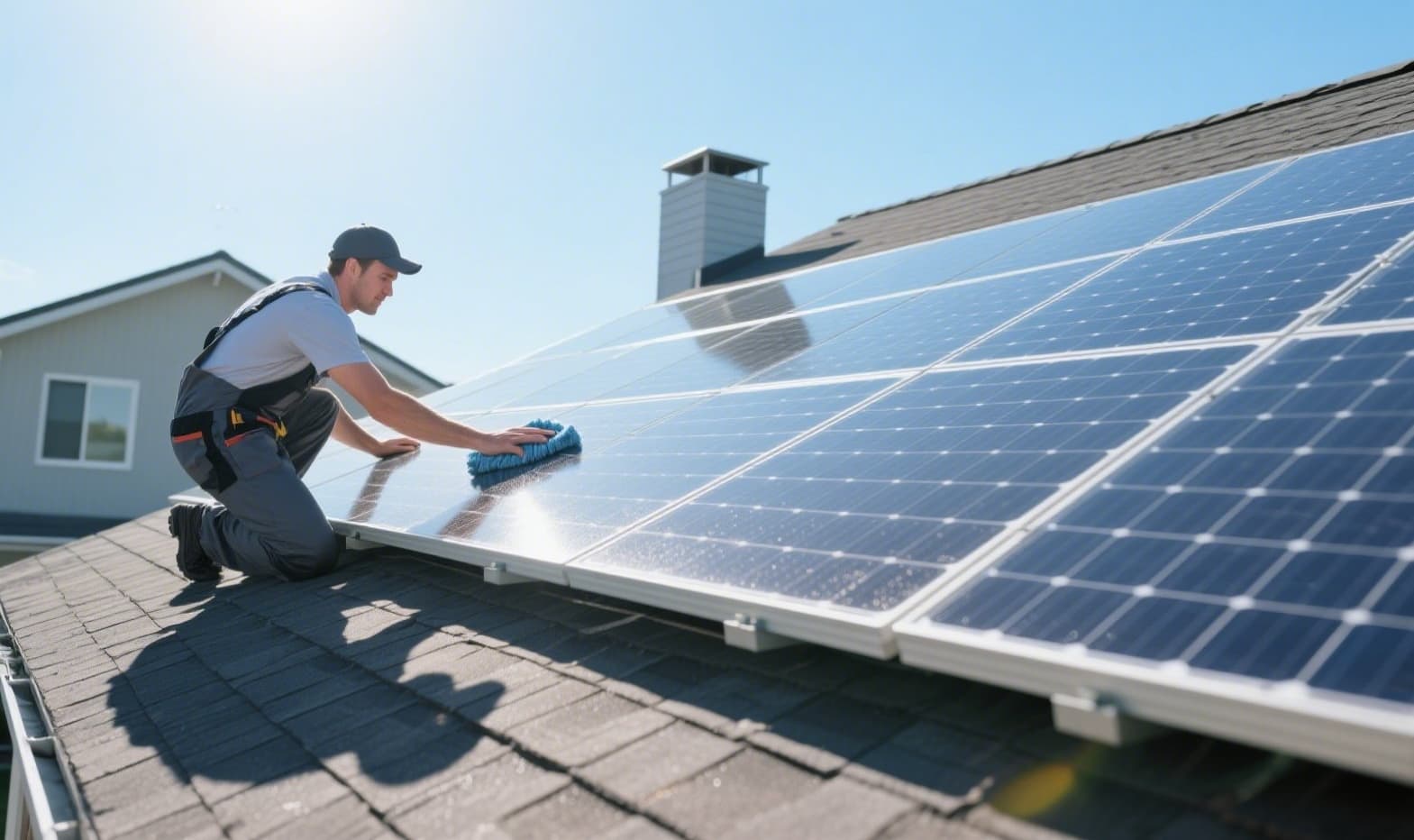
Sacramento homeowners have embraced solar energy in record numbers, but many don't realize that dirty panels significantly reduce energy production. Combined with proper roof maintenance, regular cleaning protects your investment and maximizes returns for years to come.
Why Solar Panels Get Dirty in Sacramento
Sacramento's environment is particularly challenging for solar panels:
- Dust and dirt: Our dry summers create fine dust that settles on panels daily, building up into a light-blocking film
- Pollen: Spring brings heavy pollen from valley oaks, grasses, and agricultural areas that coats every outdoor surface
- Bird droppings: A single bird dropping can block significant panel area and cause "hot spots" that reduce efficiency
- Tree debris: Leaves, seeds, and sap from nearby trees
- Air pollution: Vehicle emissions and wildfire smoke residue
- Hard water spots: Mineral deposits from sprinkler overspray or rain evaporation
The Real Cost of Dirty Solar Panels
Dirty panels don't just look bad—they cost you money:
Efficiency Loss
Research shows that dirty panels lose 15-25% efficiency in dusty environments like Sacramento. For a typical 8kW residential system producing $150-200/month in savings, that's $25-50/month in lost production—$300-600 annually.
Compounding Effects
Dirt doesn't just block light uniformly. Bird droppings and debris create "hot spots" where cells work harder, potentially causing:
- Accelerated cell degradation
- Reduced panel lifespan
- Possible warranty issues if neglected
Monitor Your Production
Most solar systems include monitoring apps. If you notice production dropping 5-10% compared to the same period last year (accounting for weather), it's likely time for cleaning. Some Sacramento homeowners clean panels twice yearly and see immediate production increases of 10-15%.
Professional Solar Panel Cleaning Process
1. Safety Setup
Professionals arrive with proper equipment for roof access, including:
- OSHA-compliant fall protection
- Soft-soled shoes that won't damage panels
- Deionized water systems (prevents water spots)
- Soft brushes and squeegees designed for solar panels
2. Initial Assessment
Before cleaning, technicians inspect for:
- Physical damage (cracks, chips, discoloration)
- Wiring issues or pest damage
- Mounting hardware condition
- Debris accumulation patterns
3. Gentle Cleaning
Professional cleaning uses:
- Deionized water: Leaves no mineral deposits
- Low pressure: Typically just gravity-fed or very light spray
- Soft tools: Microfiber, soft brushes, professional squeegees
- No harsh chemicals: Panel coatings can be damaged by improper cleaners
4. Rinse and Inspect
Thorough rinsing followed by visual inspection ensures complete cleaning without residue. Many services include before/after photos documenting results.
Professional Roof & Solar Cleaning
Our trained technicians safely clean solar panels and roofs using manufacturer-approved methods that protect your warranty and maximize energy production.
View Roof & Solar ServicesRoof Cleaning: Protecting Your Home's First Defense
While you're thinking about solar panels, don't neglect the roof beneath them. Sacramento roofs face their own challenges:
Common Roof Issues
- Moss and algae: Shaded areas and north-facing slopes develop green growth that holds moisture and degrades roofing materials
- Debris accumulation: Leaves and pine needles collect in valleys and around penetrations
- Black streaks: Algae (Gloeocapsa magma) creates dark staining that makes roofs look old
- Lichen: A moss-algae combination that can lift shingle edges
Soft Wash Roof Cleaning
Professional roof cleaning uses soft wash techniques—low pressure with specialized biodegradable cleaning solutions that:
- Kill moss, algae, and lichen at the root
- Break down organic staining
- Won't damage shingles, tiles, or metal roofing
- Results last 2-3 years typically
Never use high-pressure washing on roofs. The force can:
- Strip protective granules from shingles
- Break tile roofing
- Force water under roofing materials
- Void manufacturer warranties
When to Clean: Sacramento's Optimal Schedule
Solar Panels
- Late Spring (May-June): After pollen season, before summer's peak production period
- Fall (October-November): After leaves drop, before winter's lower sun angles when every photon counts
Roof Cleaning
- Spring or Fall: Moderate temperatures allow cleaning solutions to work without drying too quickly
- Before moss spreads: Small patches are easier to treat than extensive growth
- Before selling: Clean roofs significantly improve curb appeal
DIY vs. Professional Cleaning
Why DIY Solar Cleaning Is Risky
- Safety: Roof work is dangerous without proper equipment and training
- Panel damage: Wrong cleaning products or techniques can scratch glass coatings or damage seals
- Warranty concerns: Some manufacturers require professional cleaning to maintain warranty
- Water quality: Tap water leaves mineral spots; professionals use deionized water
- Incomplete cleaning: Hard-to-reach panels often get skipped
When DIY Might Work
If you have ground-mounted panels or a very low-pitch roof with safe access, and you use only:
- Plain water (ideally deionized)
- Soft sponge or cloth
- Early morning when panels are cool
- No abrasive materials whatsoever
Maximizing Your Solar Investment
Beyond cleaning, these practices help maintain solar efficiency:
- Trim nearby trees: Reduce shade and debris
- Monitor production: Catch issues early
- Keep gutters clean: Overflowing gutters splash debris onto panels
- Annual inspection: Professional check of mounting, wiring, and panel condition
- Consider critter guards: Prevent birds and squirrels from nesting under panels
Combining Services for Best Value
Since professionals are already on your roof, bundling services saves money:
- Solar + gutter cleaning: Most logical combination—clean gutters prevent splash-back onto panels
- Solar + roof wash: Complete roof care in one visit
- Add to maintenance plan: Our maintenance plans schedule automatic cleaning so you never forget